Eagle Rock National Center for Veteran Families is addressing the invisible wounds of military service — not just for veterans, but for every member of the family they come home to.
By Lynn Marilla | Founder and CEO, Eagle Rock National Center for Veteran Families
Every June, National PTSD Awareness Month asks us to stop and reckon with a truth that too many American families live with every day: the wars our service members fight do not end when they come home. The body returns. The mind and spirit often do not. According to Operation Deep Dive, a community-based study in partnership with Duke University researchers and America’s Warriors Partnership, as many as 46 veterans die each day from suicide and other self-inflicted means — nearly double the widely cited figure of 22. Behind every one of those numbers is a family that loved someone who could not find their way back.
I founded Eagle Rock National Center for Veteran Families 15 years ago because I knew from my own military family that the visible wounds are only part of the story. The harder wounds — the moral and spiritual injuries, the emotional distance that quietly takes root between a warrior and the people who waited for them — are the ones that traditional veterans’ care systems rarely reach. Eagle Rock exists to reach them.
Healing the Entire Family Unit
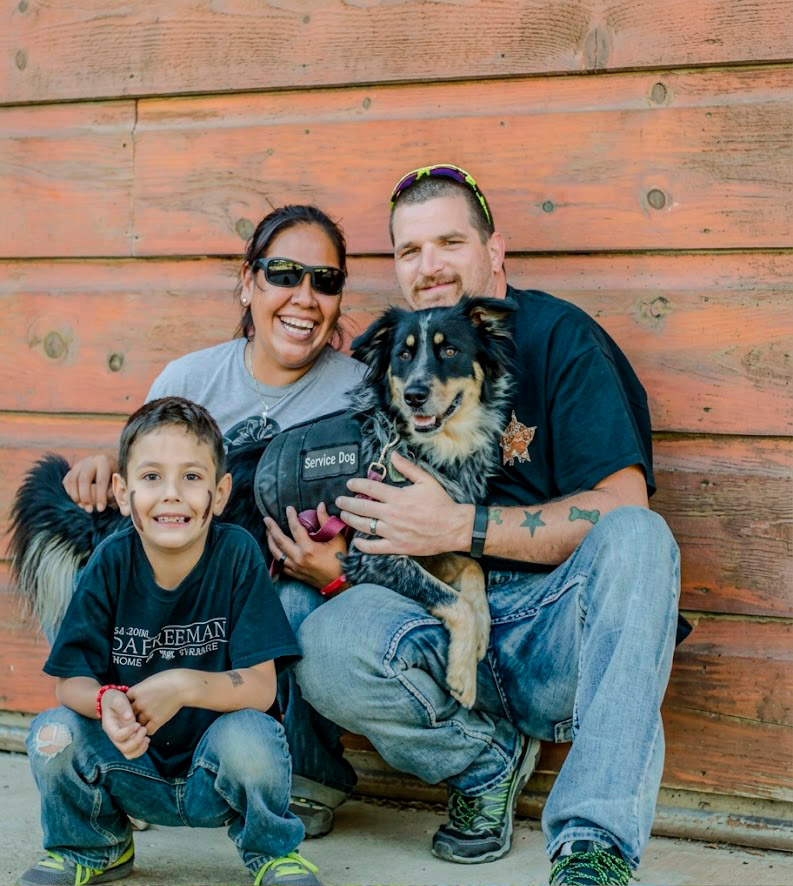
What makes Eagle Rock different from most veteran-support organizations is simple: we never separate the warrior from the family. When a service member deploys — and today’s military families routinely endure multiple deployments, years of separation, and the chronic stress of uncertainty — every member of the household is changed. Spouses carry invisible emotional weight. Children struggle to understand why their parent seems different. Marriages fracture under the pressure of homecomings that look nothing like the reunions families imagined.
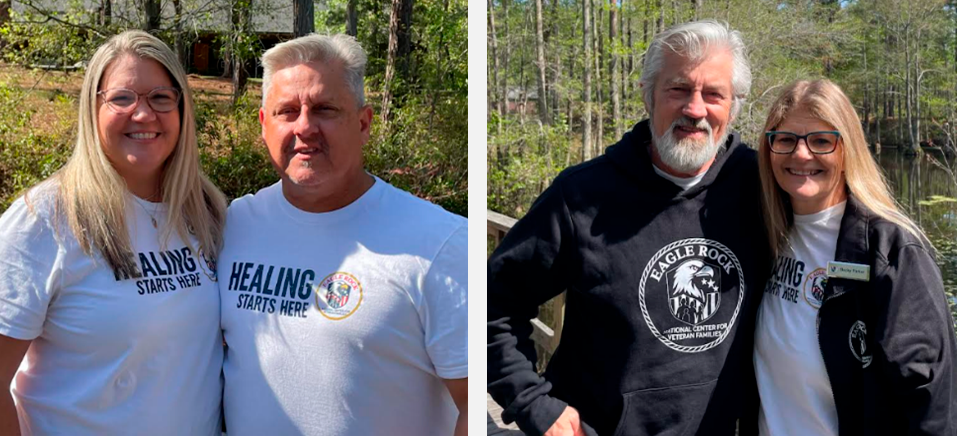
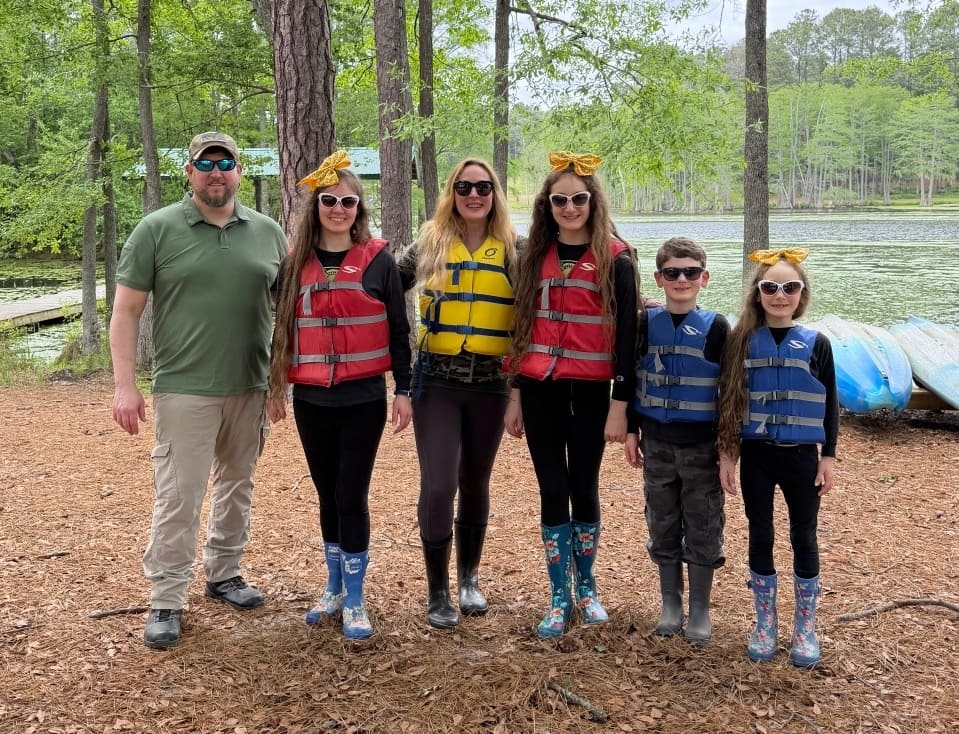
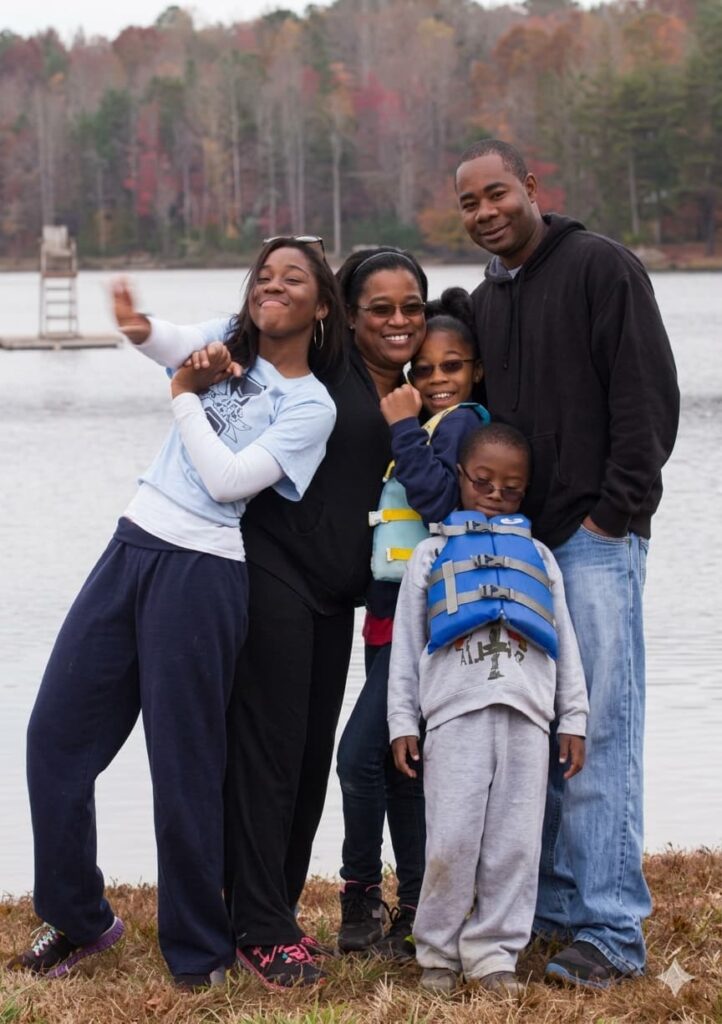
Our week-long, residential retreats — offered at no charge to veteran and military families — bring couples and their children together in a safe, peer-led environment designed by veterans, for veterans. Set in natural surroundings away from the noise of daily life, the retreats provide immersive workshops, outdoor experiences, guided conversations, and chaplain support. The goal is not just to talk about reconnecting. It is to reconnect — and to leave with practical tools that make resilience a daily practice.
The outcomes speak for themselves. In 2025, 97 percent of veteran couples who completed Eagle Rock retreats reported a higher sense of hope. Nearly 70 percent reported improved marriage satisfaction, and 66 percent said they communicated more frequently with their spouse. One hundred percent of participating families reported significantly lower distress.
Tools for the Long Road Home
Our programming is built around the understanding that healing is not a single moment — it is a process. Retreat participants learn concrete communication and conflict-resolution tools: how to listen without defensiveness, how to turn toward a partner instead of away, how to shift from a combat mindset into the rhythms of marriage and parenthood. Children receive age-appropriate parallel programming that gives them their own language for what they have experienced, while parents work on their relationship in the mornings and the whole family reconnects together in the afternoons.
One of our chaplains uses a battered metal toolbox as a teaching centerpiece — a reminder that everything a family receives in a retreat is meant to be used, not stored. When couples call in crisis months later, his first question is always the same: “Where are your tools?” Most of what they need, they already have. They just need the confidence and community to use them.
Eagle Rock’s model relies on veteran peer leaders — couples who have walked the same road and now serve as facilitators, coaches, and chaplains. This peer-to-peer structure means families arrive to people who understand without explanation. You never have to translate the experience of a deployment to someone who has lived it.
A National Mission, A Permanent Home
This year, Eagle Rock takes a major step forward. We are expanding from a handful of retreats annually to 10 full retreats in 2026 — a growth of more than 500 percent in services delivered. Families are now coming to us from 38 states, and applications have outpaced our capacity. The need is not diminishing. It is growing.
To meet that need, we have launched a three-year, $13 million capital campaign to acquire a permanent Eagle Rock retreat facility. A permanent home will allow us to serve more than 200 families a year across 20 annual retreats, strengthen our aftercare program — which provides ongoing support through phone, video, and community outreach long after a family leaves the retreat — and deepen our partnerships with organizations like Got Your 6 and Reboot Recovery to ensure veterans have access to comprehensive care.
We recently launched a new brand identity and website — www.EagleRockNational.org — designed to serve as a national hub where veterans and their families can quickly understand what we offer, access vetted resources, and reach out for help at any stage of their journey. Whether a family is in active crisis or simply struggling to find their footing after a last deployment, I want them to land on that page and feel seen.
This June, as we mark National PTSD Awareness Month, we want every veteran and every military family to know you do not have to hold it together alone. The distance you feel is not permanent. The tools to close it exist. And there is a community of people who have walked where you are walking and come out the other side — still married, still a family, still hopeful, and thriving.
ABOUT THE AUTHOR

With a multi-generational legacy spanning from WWII to her own son’s service in the Gulf War, Lynn Marilla intimately understands military life and family trauma. After navigating the premature death of her husband, raising sons alone, and managing her brother’s quadriplegia, Lynn founded Eagle Rock National Center for Veteran Families in 2011 in Hickory, North Carolina. Driven by a mission to heal the invisible wounds many veterans, service members, and their families experience, Eagle Rock serves as a national hub where families can heal together. Support their mission at eaglerocknational.org.
• Homeland June Issue
https://issuu.com/adminhlm/docs/homeland_magazine_june_2026?fr=sMDRiZTgzOTQ3NjY
• Direct link to June article
https://issuu.com/adminhlm/docs/homeland_magazine_june_2026/10